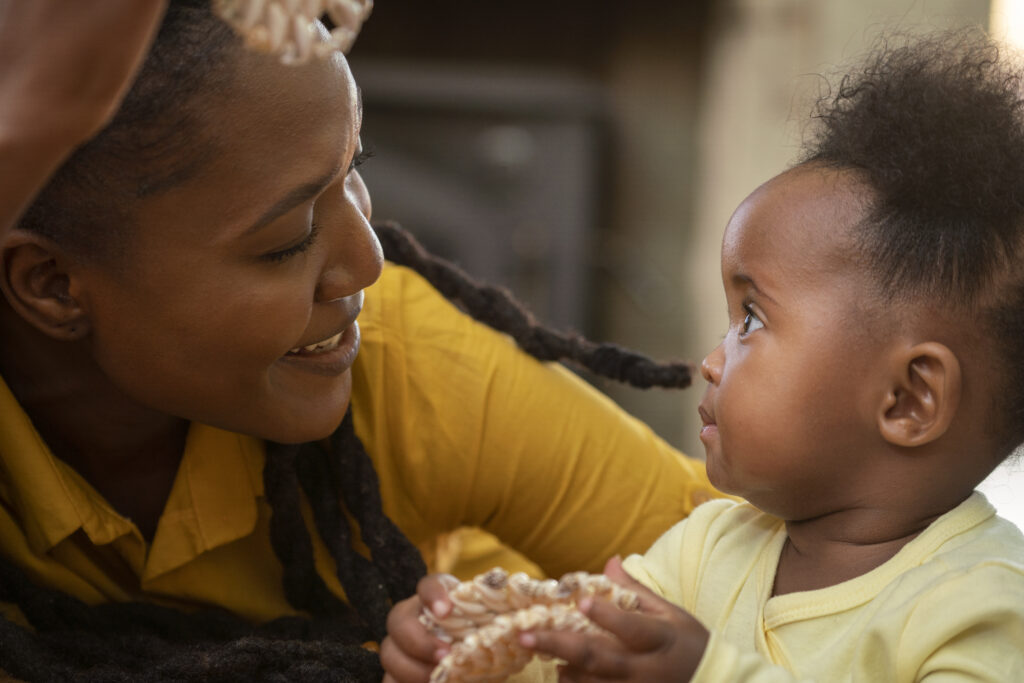
What makes a child truly thrive — not just in grades, but as a confident, caring person? Holistic Learning for the Whole Child offers an answer, nurturing both minds and hearts to help every learner grow with purpose and resilience.
Stories of Change – When Learning Heals and Empowers
When 11-year-old A Kiu first entered a Social and Emotional Learning (SEL) program at his primary school, frustration came easily. A lost game or mistake often ended in tears or anger. But within months, things began to change. He learned to recognize his feelings, calm himself — sometimes simply lying on the floor until the tension passed — and reconnect with his classmates. His teachers noticed the difference; so did his mother.
This change came through a classroom initiative led by Save the Children Hong Kong and Side by Side. Their Integrating Social and Emotional Learning into Schools (ISEL) program weaves emotional education into regular lessons instead of adding it as a separate subject. Trained teachers guide children through five core SEL areas: understanding themselves, managing emotions, recognizing others’ feelings, building relationships, and making thoughtful choices. According to the school’s principal, the steady, inclusive design helped foster empathy and emotional resilience across the student body (Save the Children Hong Kong, 2025).
Similar patterns are visible elsewhere. A 2025 study in Uganda’s Wakiso District, conducted by Bideke and Kobusingye, examined how structured early-childhood programs affect children’s social and emotional growth. Using a mix of surveys, interviews, and classroom observations, the researchers found that children who attended well-organized early-learning centers demonstrated stronger emotional control and greater social awareness than those without such access. Importantly, when families and communities were involved — through meetings, home activities, or local partnerships — children’s emotional skills improved even more. These findings point to a simple truth: Holistic Learning for the Whole Child is most powerful when cognitive, emotional, and social development grow together in balance..
WCA’s Holistic Learning for the Whole Child
At Whole Child Advisors (WCA), this idea lies at the center of our work. We believe education systems achieve their greatest impact when they support the whole child linking academic learning with emotional health, safety, and belonging. Through our partnerships, we help governments, funders, and educators design programs that connect evidence, policy, and practice so every learner is seen and supported in full.
For WCA, Holistic Learning for the Whole Child means seeing every learner as a complete human being — curious in mind, grounded in heart, and supported by family and community. When education nurtures that balance, learning grows beyond academic achievement; it becomes true transformation.
💬 How about you? What role can your organization play in helping children grow not just smarter, but whole?
References
Save the Children Hong Kong. (2025). Social-emotional learning in schools: Primary 5 student masters emotional management.https://savethechildren.org.hk/en/case-story-en/social-emotional-learning-in-schools-primary-5-student-masters-emotional-management/
Bideke, M. B., & Kobusingye, P. (2025). Early Childhood Education and Social-Emotional Learning: A Case Study, Wakiso District, Uganda. ResearchGate. https://www.researchgate.net/publication/394055059_Early_Childhood_Education_And_Social_Emotional_Learning_A_Case_Study_Wakiso_District_Uganda