In our previous articles, we explored how collaboration across different levels of the education system, schools, families, communities, and governments plays a critical role in driving systemic change and improving student outcomes. As we continue this conversation, it’s clear that a collaborative approach doesn’t just strengthen individual components of the system; it fosters holistic development for children. One such approach is whole child development, which recognizes the importance of nurturing every aspect of a child’s growth, including their academic, emotional, social, physical, and even spiritual well-being.
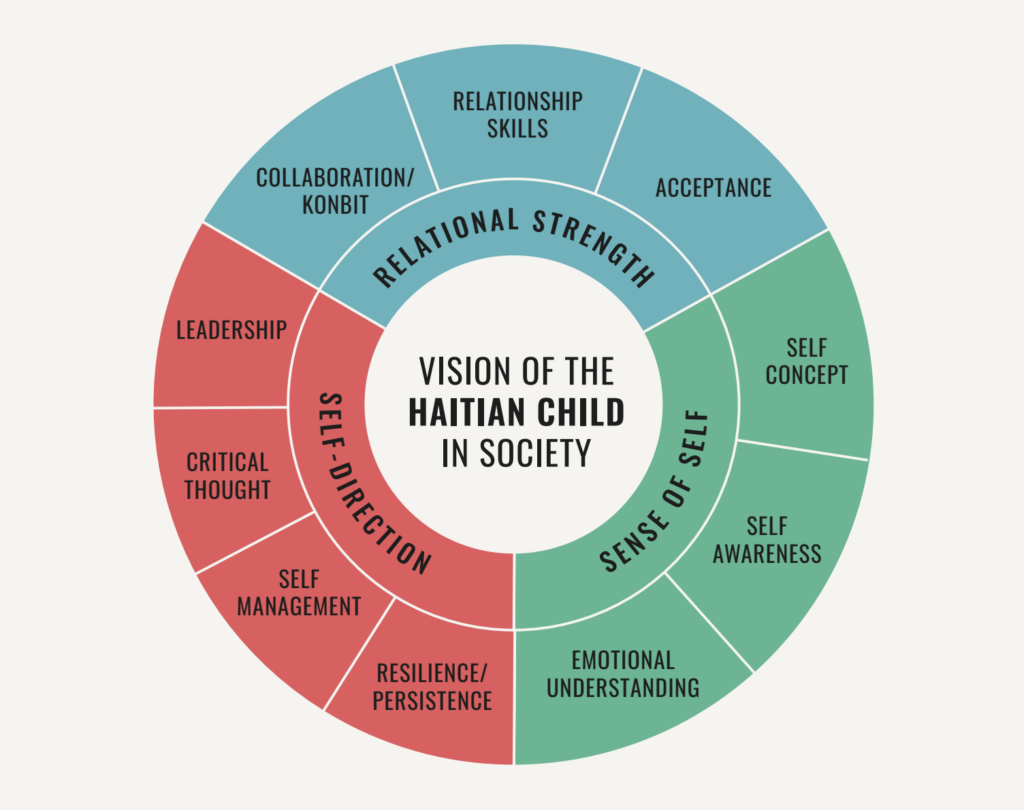
Figure 1: The Vision of the Haitian Child in Society: Social Emotional Framework
This holistic model is central to the Strong Beginnings program in Haiti, which integrates support from the school, home, and church, with a clear focus on social and emotional learning (SEL). The program is designed to address the diverse needs of children, ensuring that all aspects of their well-being are nurtured in an interconnected way.
Haiti’s Complex Context and Challenges
Haiti, known for its rich cultural heritage and as the birthplace of the first successful slave rebellion, has endured a history of political instability, economic hardship, and frequent natural disasters. Despite these challenges, Haitian families continue to see education as a key to breaking the cycle of poverty and creating opportunities for future generations.
The country’s educational system has faced many obstacles, including underfunded schools, widespread poverty, and a lack of infrastructure. These barriers, combined with the ongoing socio-political instability, have prevented most children from having consistent access to education and learning resources. As a result, children’s ability to thrive in the classroom is often undermined, as they contend with the lasting effects of these systemic issues.
Strong Beginnings: A Holistic Approach to Development
In response to these challenges, the Global Center for the Development of the Whole Child (GC-DWC) has implemented the Strong Beginnings program, designed to focus on whole-child development. The program recognizes that in Haiti, collaboration across various sectors, such as education, faith-based organizations, and local communities, is key to addressing the barriers that prevent children from succeeding.
The Catholic Church plays a critical role in this model, as it is the largest educational provider in the country, especially in underserved regions. The Strong Beginnings program partners directly with local parishes, tapping into the Church’s long-standing presence in both urban and rural areas. Through this collaboration, faith leaders, teachers, and parents work together to address the most pressing needs of children, including social-emotional skills and academic preparedness.
Social and Emotional Learning (SEL) in Action
One of the key components of this initiative is social and emotional learning (SEL). In Haiti, many children enter school without the foundational emotional regulation skills needed to thrive in a classroom environment. By focusing on SEL, the program helps children develop resilience, self-awareness, critical thinking, and relationship-building skills, setting them up for long-term success both in and outside of the classroom.
The success of the Strong Beginnings program is measured not only by improvements in academic achievement but also by the development of emotional resilience and social skills. The program’s early interventions, starting at age 3, ensure that children enter school better prepared to face the challenges of the classroom and beyond.
Parenting Support and Community Engagement
In addition to SEL, the program also provides critical parenting support. Parents and caregivers are trained to promote healthy emotional and cognitive development, reinforcing the importance of positive parenting and early childhood care. This is particularly important in Haiti, where many families face extreme poverty, making it difficult to provide adequate care without outside support.
The program has seen significant success, with improvements in children’s literacy, numeracy, and social-emotional development. Read Haiti, the literacy program that grew out of Read to Learn, has already made a tangible impact on children’s reading skills. The inclusion of radio programming in response to the COVID-19 pandemic allowed the program to reach even more families, ensuring continuity of education despite the crisis.
At Whole Child Advisors (WCA), we support initiatives like Strong Beginnings by helping bring together the various community sectors, schools, families, churches, and local organizations, to create a holistic ecosystem for children’s development. Our role is to facilitate partnerships, connect evidence with community priorities, and align policy to drive lasting change. In the case of Strong Beginnings, we have supported the integration of the church and community networks, helping scale interventions and ensuring that the solutions developed are sustainable.
Reference
Moving Minds Alliance. (2023, January). Strong Beginnings: Leveraging school, home, and church for whole child development. Moving Minds Alliance. https://movingmindsalliance.org/wp-content/uploads/2023/11/MMA-ResourceKit-CaseStudy-StongBeginnings-English-Nov2023-02.pdf